
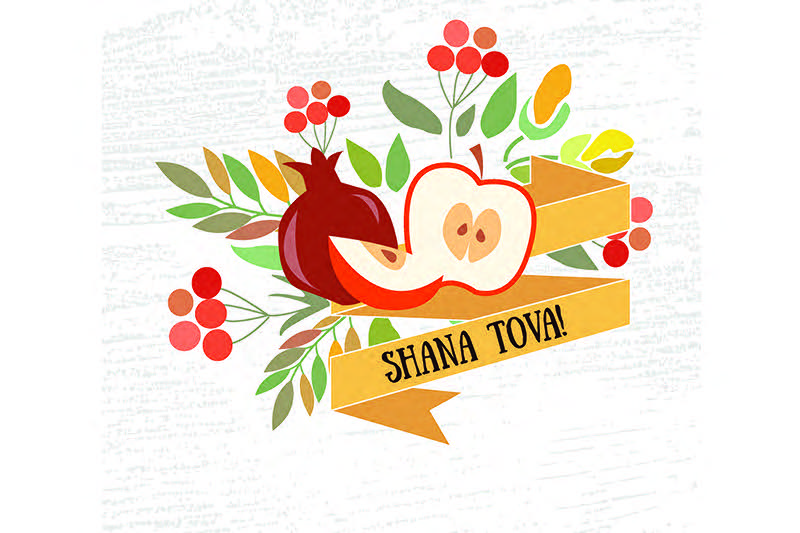
Rosh Hashanah: The Jewish New Year
And the Lord spoke to Moses, saying, “Speak to the people of Israel, saying, in the seventh month, on the first day of the month, you shall observe a day of solemn rest, a memorial proclaimed with blast of trumpets, a holy convocation. You shall not do any ordinary work, and you shall present a food offering to the Lord.” -Leviticus 23:24-25
Rosh Hashanah (רֹאשׁ הַשָּׁנָה), meaning “head of the year” or the “first of the year,” is the holiest of Jewish holidays, a jubilant but solemn celebration commemorating the birth of the world. The two-day (one-day in some denominations) festival marks the beginning of the Days of Awe, a 10-day period of repentance and introspection, culminating in Yom Kippur, a day of fasting, also known as the Day of Atonement.
The exact dates of Rosh Hashanah vary from year to year, although it almost always falls in September or October. This year, Rosh Hashanah begins on the evening of Sunday, September 29 and ends on the evening of Tuesday, October 1.
Why does the Jewish New Year occur in the seventh month (Tishrei) of the Hebrew calendar? In Jewish tradition, there are several new years, all with different purposes. The first day of Nissan, the first month, is the new year for tracking the months and the reign of kings. The 15th day of Shevat, the 11th month, is the new year of trees and harvest. Rosh Hashanah is the new year of years; when God is said to have created the world.
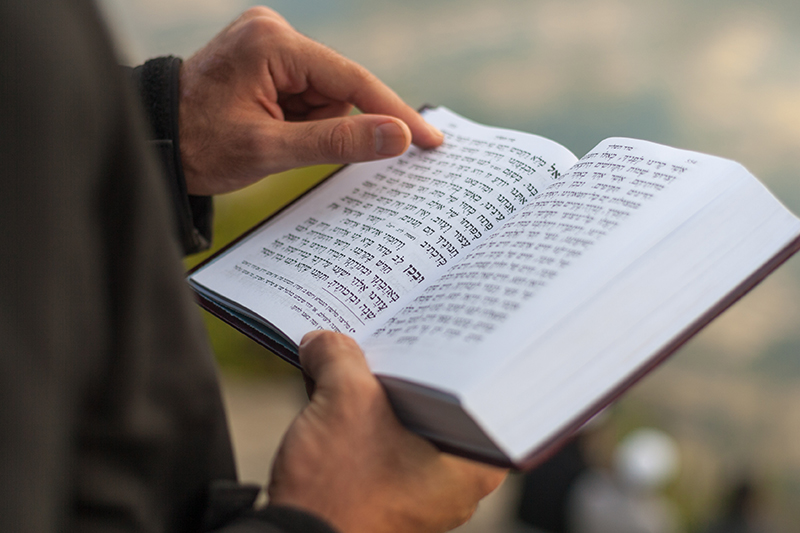
During Rosh Hashanah, work is not permitted. Most of the day is spent in contemplation and reflection; the more religious ones spend the day attending Synagogue. Rabbis and their congregations read from the machzor, a special prayer book designated for Rosh Hashanah and Yom Kippur.
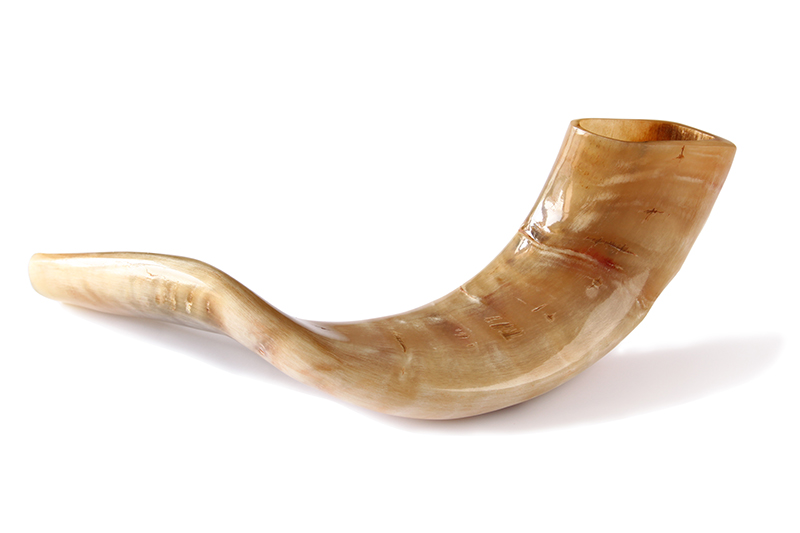
One emblematic part of Rosh Hashanah (and Yom Kippur) is the sounding of the shofar, a trumpet made from a ram’s horn. In ancient times, the shofar was used in religious ceremonies or as a battle signal. Now the resonation of the shofar “serves as a call to repentance and a reminder to the Jewish people that God is their king.” Another popular tradition occurring during Rosh Hashanah is Tashlich, a ceremony performed on the afternoon of the first day, in which people throw crumbs, representing their sins, into the sea, a river, stream or lake.
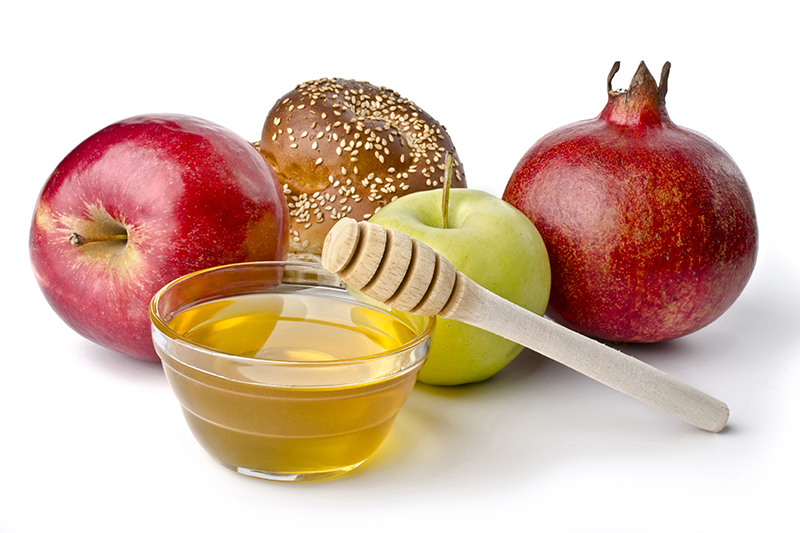
Following a day of prayer and quiet reflection, people will return home for a festive meal steeped in symbolic food representing new beginnings. On the first day, they will eat challah, a traditional Jewish round bread representing the cyclical nature of life and the crown of God. Challah and apples will be dipped in honey, symbolizing wishes for a sweet new year. On the second day, the Jewish will often eat a new seasonal fruit and recite a special blessing (Shehechiyanu). Other symbolic foods specific to Rosh Hashanah include dates, pomegranates, pumpkin, leeks, and beets.
This Rosh Hashanah, greet your Jewish friends and coworkers with “Shanah Tovah,” a traditional Hebrew salutation meaning “good new year.”