

Leda’s Release of 120,000 Fish Makes a Big Splash
Contributed by Richard Lewis
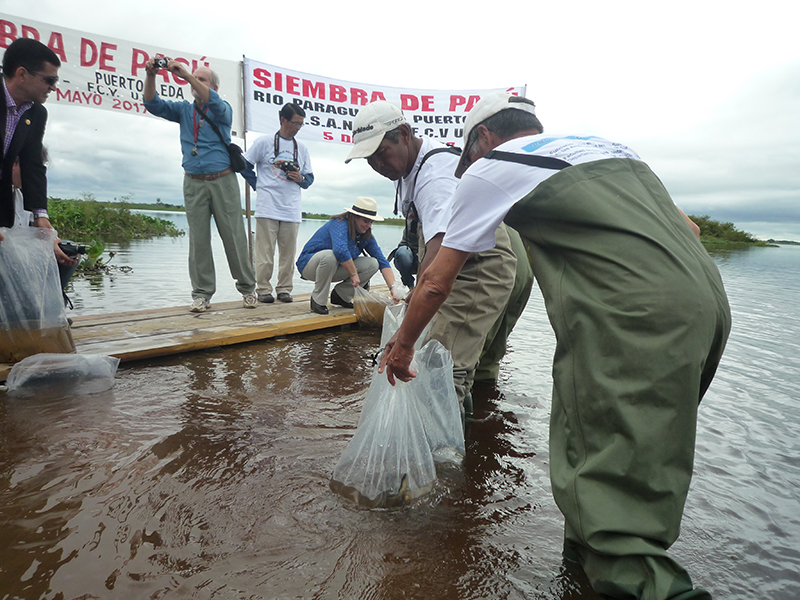
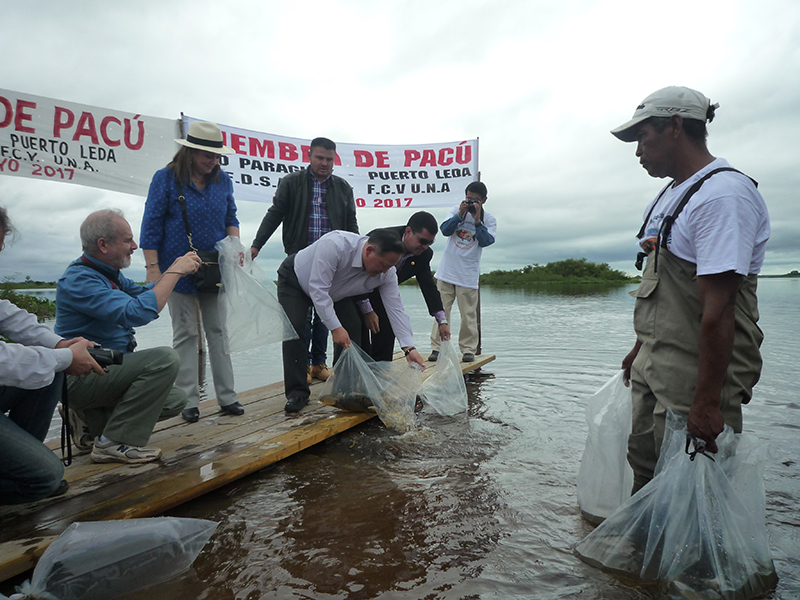
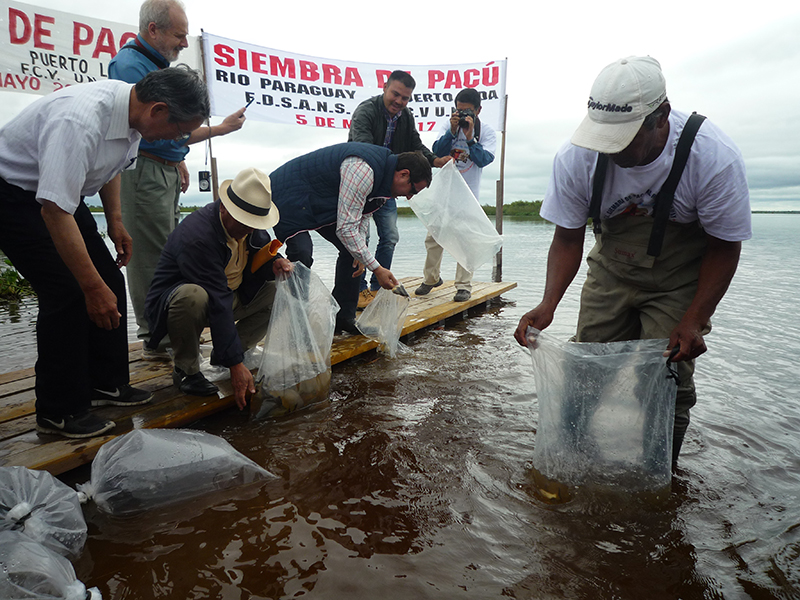
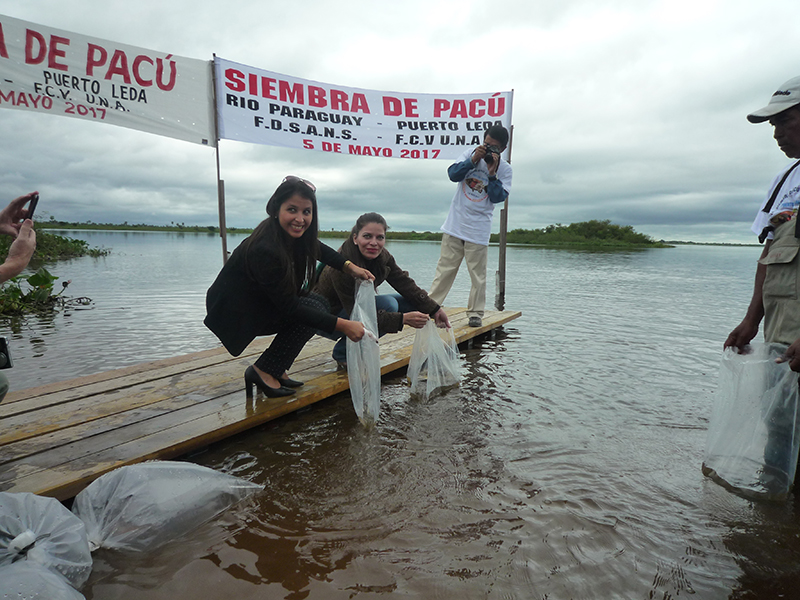
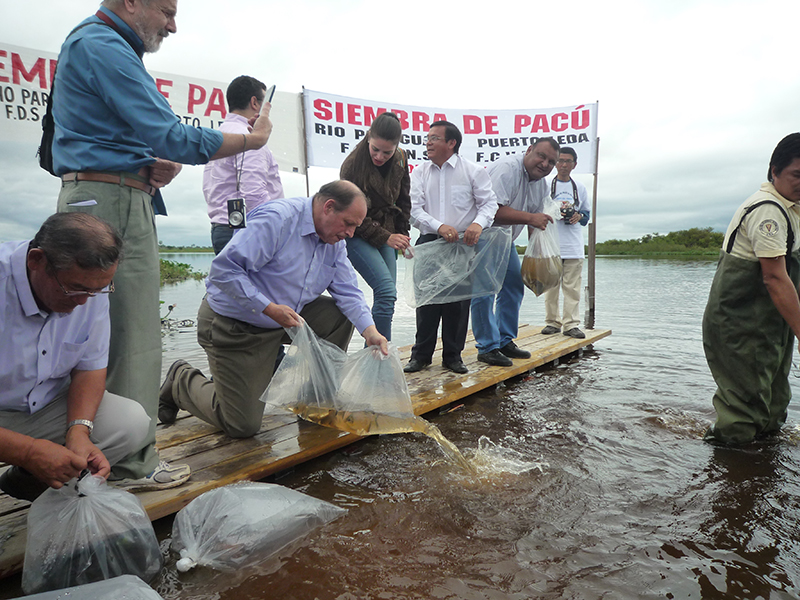
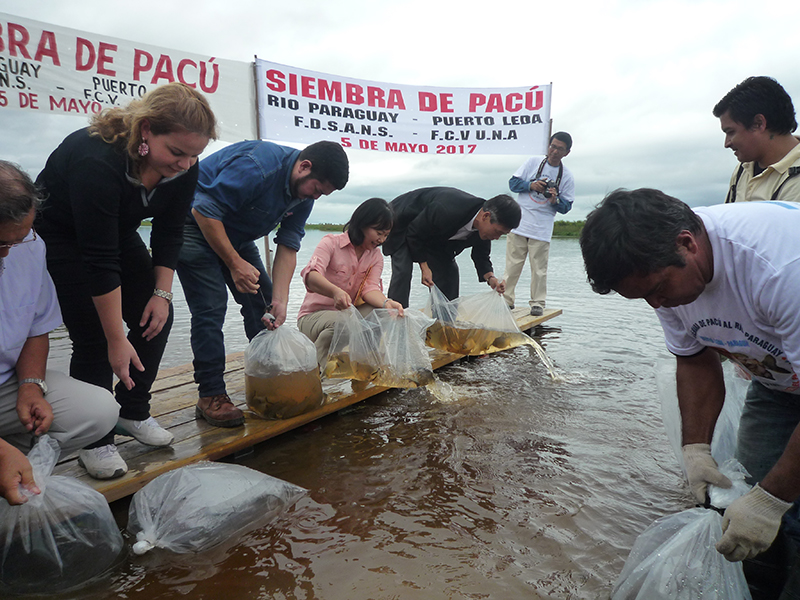
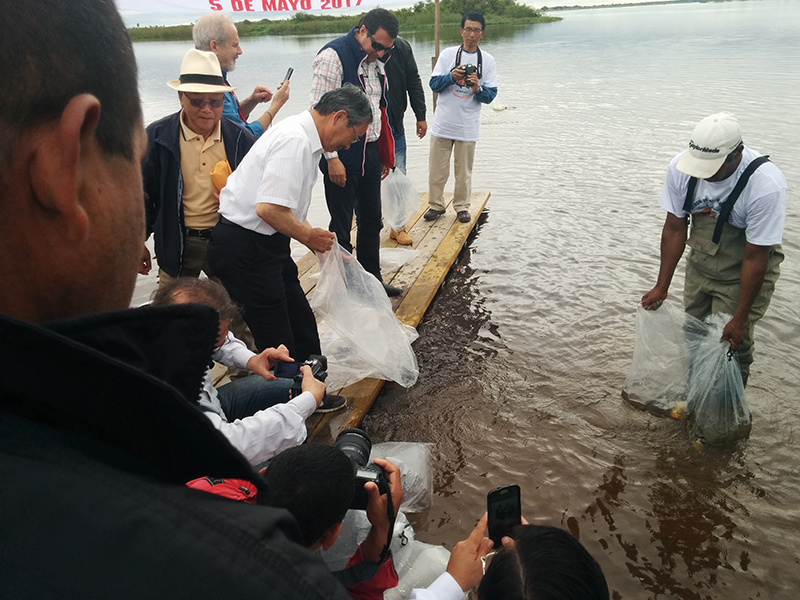

May 5, 2017, marked the day that 120,000 pacu “fry,” or baby fish, were released at Puerto Leda, a settlement in Paraguay that rests 540 miles north of the capital of Asunción on the Paraguay River in the sparsely populated district of Fuerte Olimpo.
Accompanying the small fish were 1,000 larger pacu that were released with tracking signals so that a team of researchers from the University of Asunción could understand their migration patterns. The event marked the fifth and largest release in the last four years, and it is setting a new tradition in the way care is given to cultivated fish, which is important in creating a more sustainable future.
Over a five-year period of hard work and through dozens of efforts filled with trial and error, the cooperative venture between the University of Asunción and the Association for Sustainable Development in South and North America is now pioneering a path in the region’s aquaculture development.
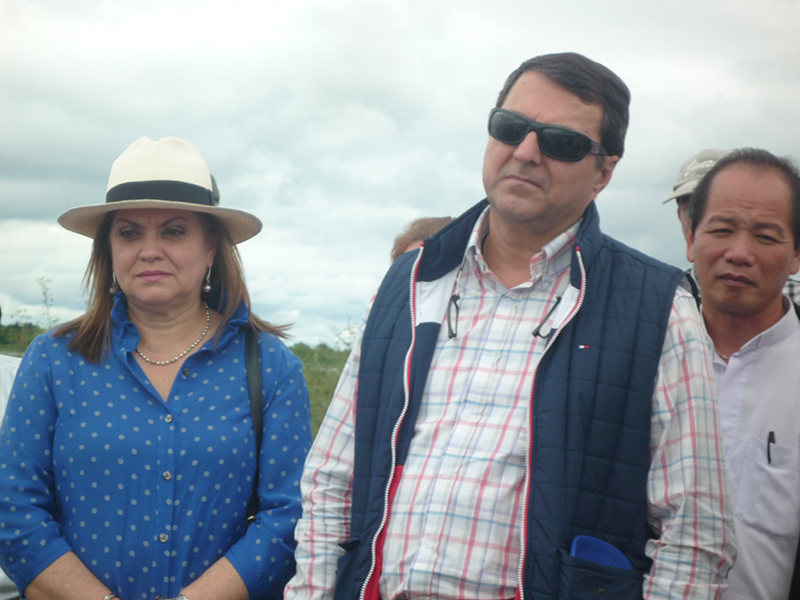
Friday’s release of 120,000 pacu fish fry attracted local and national attention as a diverse delegation traveled to take part in the events surrounding the release. Among those in attendance were Ms. Susana Barua, the director of the National Program for Agriculture and Sustainability; National Senator Emilia de Franco together with former President Dr. Federico Franco; Rev. John Gehring, representing the Universal Peace Federation USA; and the Foundation of Japan President Yoshihiro Nakata.
The Leda Settlement and its partners have been expanding the aquaculture efforts at Leda, where they have developed 22 fish ponds to raise the fine-tasting pacu. Currently research is going on to promote cultivation of various kinds of shrimp, since the deep-level water table in this part of the Chaco region is saline and allows an unlimited amount of water to be readily available in the cultivation process.
This section of the Chaco is very sparsely populated, and cattle have been the main economic resource. The development of aquaculture and this new tradition of keeping the Paraguay River always stocked with a new generation of fish make it a vital resource for future sustainable development.
The tradition being set at Leda—of growing some fish for sale but replenishing the waterways with new resources—demonstrates a concern for the environment that heralds a bright and sustainable future. Fish that are growing in the ponds are fed with natural, homegrown vegetation. While every community needs to generate economic resources, the founder of the Leda Settlement, Dr. Sun Myung Moon, encouraged those living there to create a model lifestyle that could help eradicate hunger and promote a healthy lifestyle.
Dr. Magno Barreto of the University of Asunción has devoted much time and energy to guiding the careful process of fertilizing and raising the pacu. To achieve the first successful incubation took 11 attempts and almost a full year. As he watched the crowd gather for the release of the fish, he smiled and said, “I worked so many quiet, lonely hours over the past years, but when I see how those gathered really appreciate these efforts, I myself gain new inspiration.”
For Dr. Barreto and those gathered, the splash made as a result of the release of 120,000 fish fry in the Paraguay River will serve to heighten awareness of the challenges that face us in creating a healthy and sustainable future.
Learn more about the Leda Settlement, its many projects and eco-service tours here.